
Procedures and Regulations for Free Zones in Morocco
Establishing a presence in a Moroccan free zone involves following specific procedures and complying with dedicated regulations. From applying for approval to meeting customs, tax, and social obligations, every step is strictly governed by law.
This page provides you with a clear overview of all the procedures to be completed, as well as the competent authorities you must consult to ensure that your establishment is fully compliant and successfully executed.
1. Application for Approval
The process of establishing a business in a free zone begins with submitting an application file to the zone’s managing authority.
This file must demonstrate the project’s strength and viability. It generally includes:
• a duly completed application form,
• a business plan detailing the intended activity,
• the draft company’s articles of association,
• financial and technical supporting documents.
The file is then reviewed by a competent commission, which typically includes representatives from the Customs Administration and the Ministry of Trade, who verify the project’s compliance and eligibility.


2. Signing of the Agreement or Lease Contract
Once the project is approved, the company proceeds to sign an establishment agreement with the free zone’s managing entity. This step formalizes the approval and defines the conditions under which the company may operate within the zone. Depending on the project’s requirements, this may involve:
• the allocation of a land plot for construction,
• the provision of an industrial facility adapted to the activity,
• or the rental of office space for administrative functions.
The relationship is then formalized through the signing of a lease or occupancy contract, which sets out the company’s rights and obligations within the free zone.
Setting up in a free zone involves several administrative and legal procedures. To save time and secure your project, our firm supports you at every step.
3. Company Incorporation
Next comes the company incorporation phase, which follows the standard steps required to establish a business in Morocco. The project owner must:
- draft and file the company’s articles of association,
- obtain a negative certificate confirming the availability of the company name,
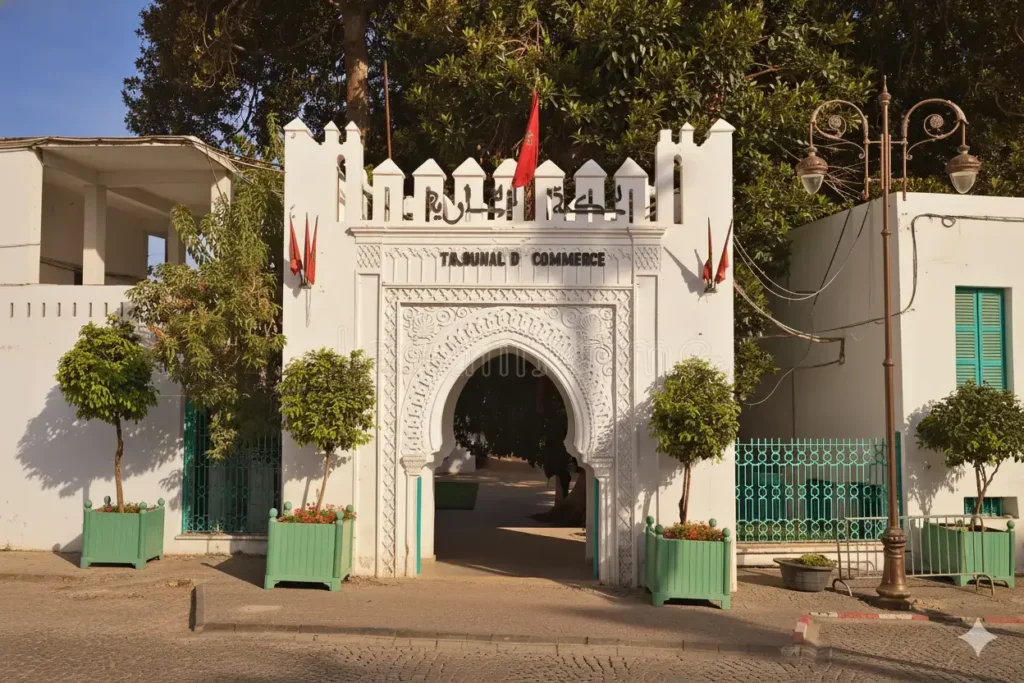
- submit the incorporation file to the registry of the competent court,
- register the company in the Commercial Register and obtain the professional tax number and tax identifier.
A key requirement for companies established in a free zone is the obligation to explicitly state their registered office within the zone.
4. Customs and Tax Formalities
Once the company has been incorporated, it must complete the essential customs and tax formalities required to activate the benefits linked to its establishment within the free zone. These procedures include:
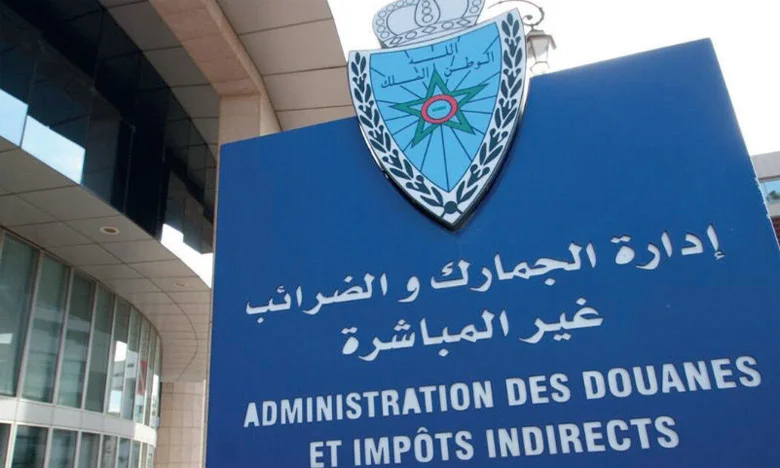
Registration with the Customs Administration, a mandatory step to benefit from the suspensive regime and the associated fiscal and social incentives,
Obtaining a customs code and opening an account within the BADR online system (Automated Customs Network Database),
Tax registration enabling the application of the specific free-zone regime.
They may also include:
The allocation of a land plot for construction,
The provision of an industrial facility adapted to the company’s activity,
Or the rental of office space for administrative functions.
The relationship is then formalised through the signing of a lease or occupancy agreement, which sets out the company’s rights and obligations within the free zone.
Companies established within a free zone are subject to regular monitoring and reporting obligations. They must, in particular:
Periodically submit to the zone authorities detailed reports outlining their activities, export volumes, and investments made,
Comply with frequent customs inspections relating to the movement of goods,
Respect the requirement that certain tax and customs benefits are maintained only if at least 85% of their turnover is generated from exports (this threshold may vary depending on the specific free zone).
Free Zone Management Authorities in Morocco
Each free zone in Morocco is overseen by a dedicated management authority.
In Tangier, all zones are administered by Tanger Med Zones (TMSA), which ensures their development and operational monitoring according to the specific purpose of each site. In other regions, management is primarily entrusted to MEDZ, a subsidiary of CDG Développement, which oversees the Atlantic Free Zone and its extension in Kenitra, Midparc Casablanca, Technopolis in Rabat-Salé, and the Aït Melloul industrial park in Agadir.
The Dakhla Atlantic Free Zone project falls under the responsibility of the National Ports Agency, together with local authorities, under the direct supervision of the State.
Restrictions and Permitted Activities by Free Zone in Morocco
Each free zone in Morocco defines its own priority sectors and operational constraints in addition to the common legal framework.
Tanger Med Zones focus on the automotive, aerospace, electronics, logistics and offshoring sectors, applying strict environmental standards and defined timelines for operational launch.
Atlantic Free Zone in Kenitra targets the automotive, electronics and technical textile industries, imposing investment commitments and contractual deadlines.
Midparc in Casablanca prioritises aerospace, electronics, defence and advanced technologies, with rigorous project selection criteria and adherence to international standards.
Agadir hosts agri-industry and seafood processing activities, subject to stringent sanitary and environmental requirements.
Dakhla is oriented towards port logistics, fisheries, agri-food activities and renewable energies, with strict ecological regulations linked to the maritime ecosystem.

